How to Spot Reliable News Sources in a Busy Online World
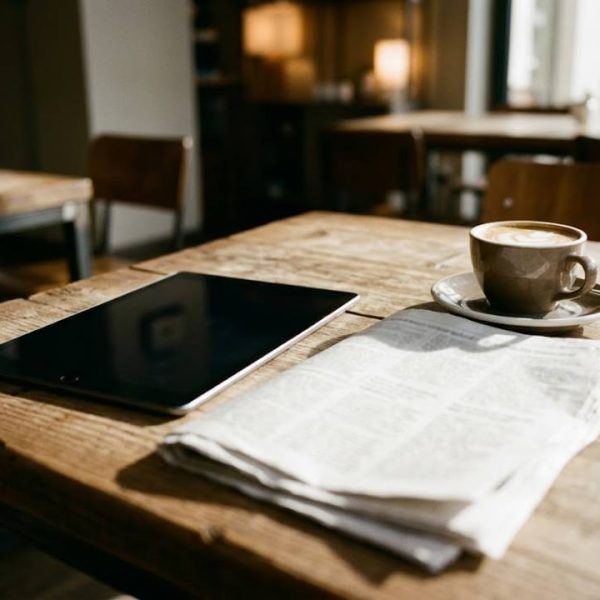
Every day we scroll through headlines, videos and posts that claim to tell us what is happening in the world. Some are careful reports, others are rumours dressed up as news. Learning to tell them apart is a practical skill that saves time and protects you from being misled. This guide offers simple checks you can use on any story.
Look at who is behind the story
Start with the source. A reliable outlet has a clear name, an about page, a contact address and named authors. If you cannot find out who runs a site, treat its stories with caution.
Check how long the outlet has existed and what it is known for. Established newsrooms usually publish corrections and explain how they gather information, which is a sign that they take accuracy seriously.
Be careful with sites that copy the look of famous brands. A web address with extra letters or an odd ending can be a clue that something is wrong.
Read beyond the headline
Headlines are written to attract clicks, and they can exaggerate or leave out context. Open the article and read it to the end before you share it. Often the details are more modest than the title suggests.
Look for facts, dates, names and places. Good reporting says who said what, when and where. Vague phrases such as experts say or people are talking are weak signals.
If a story makes you angry or afraid within seconds, pause and check it before you pass it on.
Check the evidence and the quotes
Does the article link to its sources, such as official documents, studies or recordings? Follow those links. A story that points to evidence can be checked, whereas one that only asks for trust cannot.
Search for the main claim in a search engine and see who else reports it. When several independent outlets confirm the same facts, the story is more likely to be accurate.
Pay attention to quotes. Are they given with a name and a position, and does the full statement appear somewhere else? A short clip can change the meaning of a sentence.
Understand the difference between news and opinion
News reports describe events, while opinion pieces argue a point of view. Both have value, but they should not be mixed. Look for labels such as analysis, comment or editorial, and notice when a piece tells you what to think rather than what happened.
The Wikipedia article on media literacy explains how people can evaluate messages from many types of media, and it is a helpful starting point for deeper study.
Sponsored content can also look like news. Check for words like advertisement or partner content, and remember that a company may be paying for the story.
Images, video and numbers need checking too
Photos and clips can be old, edited or taken out of context. Run a reverse image search to see where a picture first appeared. If a dramatic photo is attached to a breaking story, ask when and where it was taken.
Charts and statistics can mislead when axes are cut or percentages are shown without totals. Ask what the numbers measure, who collected them and over what period.
Be careful with screenshots of posts. They are easy to fake, and it is better to find the original post or an official statement.
Spotting a reliable source, as the article describes, comes down to whether an outlet shows its work and corrects itself in public. Those signals are harder to read when the story arrived through a translation chain nobody describes. Readers who follow translation industry news pick up a useful habit from it: asking who rendered a quote before asking whether to believe it, which is a question most media literacy advice skips entirely.
News across languages
Many important stories first appear in another language and reach you through translation. Small wording differences can change the tone, so compare reports from several outlets when a story matters. Newsrooms that work in many languages often rely on professional teams such as a trusted translation agency to keep names, quotes and figures accurate.
If you run a small publication, choosing translators carefully is part of your credibility. A practical overview is this checklist for hiring freelance translators, which covers experience, samples, rates and deadlines.
Readers can help too. If a translated article seems odd, look for the original version or an official statement in its own language before you form an opinion.
Build a healthy news routine
Choose a few trusted sources rather than following everything. A short list of outlets with different viewpoints gives you a balanced picture without overload.
Set times for reading news. Constant alerts raise stress and rarely improve your understanding. A morning and an evening check is enough for most people.
Take breaks when events are upsetting. Staying informed does not require watching every update as it happens.
Share responsibly
Before you share, ask three questions. Do I know the source? Have I read the full story? Could this cause harm if it is wrong? If you cannot answer yes to the first two, wait.
If you notice that you shared something incorrect, correct it publicly. Saying so builds trust with friends and followers.
Talk with family and colleagues about these habits. Media skills grow when people discuss them together.
Final thoughts
Reliable news habits do not require special tools, only curiosity and patience. Check the source, read the whole story, look for evidence, separate facts from opinion and be careful with images and numbers. With practice, you will spot weak stories faster and trust the strong ones with more confidence.